Impacts of influencers and marketing in China
In society, influencers are gaining ever-increasing importance in the marketing strategy of a brand. For most businesses, the budget for marketing is extremely high, probably higher than any other aspect that creates a brand. However, as the role of influencers gets more recognition and the trend of increasing budget for marketing gets caught up, there have been some conflicts between the actions of influencers and the well-being of society. This phenomenon is illustrated more clearly in China than in any other part of the world. So, what is the impact of influencers and marketing in China?
In China, there has been a recent study showing that over 60 percent of the consumers in this huge continent are more influenced to purchase and buy goods or merchandise, services that the influencers they followed certified for.
Most of the places where consumers get these ideas or need to buy the products are from the influencer’s live stream or on their official account.
However, in China, as well as in most parts of the world in general, fake advertisements have been a significant issue, as products that were falsely advertised usually have negative impacts on the health of consumers.
Consequently, if the products are falsely advertised, can the influencers that vouched for them be held accountable?
The influencers and the marketing industry
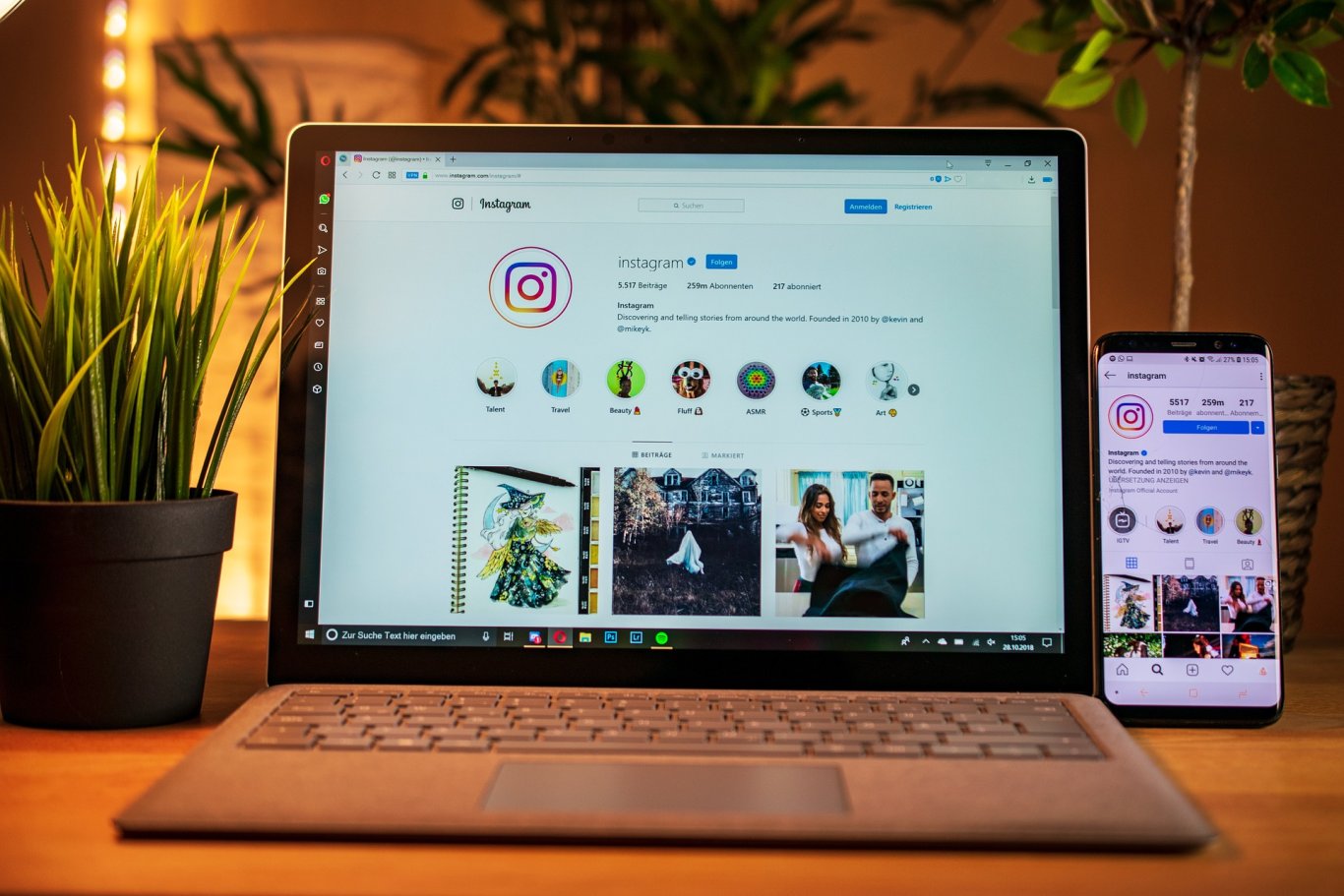
Not just live streaming, social media is the platform that is used most nowadays to reach followers as well as consumers by influencers.
Two of the most used platforms of social media are TikTok and Instagram. With just one post, an influencer on Instagram can gain thousands, even tens of thousands of dollars for average influencers.
For top influencers like Cristiano Ronaldo or Kylie Jennie, getting millions of dollars for one post is as easy as pie.
Nonetheless, live streaming has its due benefits as the viewers can purchase the product through some kind of agreement directly with the influencer or his/her company/associate on the spot.
To why the influencers have some impact on the decision-making of their followers, many experts have researched for years and have come up with a basic answer which is that despite the reverence the followers have towards the influencers, one other key aspect is that they considered the influencers are more connected with them and relatable to them, in contrast to traditional celebrities that are considered too far up in the sky.
Realizing this fact, some brands have decided to try and go further, creating virtual influencers. This is adopted notably well in Japan as there have been many anime versions of influencers, even creating characters that look exactly like real people.
Kizuna AI, which has over 3,100,000 followers in Japan, is a prime example of this. Kizuna is a social media influencer who dances to anime music. ‘She’, despite being computer-generated, has gained popularity due to her dance moves. She has worked with professional dancers and has even been hired for offline advertisements and billboards.
A Chinese entertainment agency collaborated with a major technology company to form a virtual idol group, and their most popular video received over 5.3 million views on a video-sharing platform. The market size influenced by virtual influencers in this market is expected to exceed Rmb180 billion (US$27.05 billion) in 2022.
Virtual influencers are tailored to a specific group of consumers and as they are virtual, there is no way they can make a scandal like celebrities in real life who have to be careful with every action they take.
In regards to the fake advertisement problem, virtual influencers can’t make a decision on their own. Therefore, they can’t be prosecuted. If a problem arises, it is actually the company behind them that must be held accountable.
Fake advertisement situation
Some real-life influencers may be unfamiliar with the features of the products they are promoting, and they may inadvertently make inaccurate or misleading statements when attempting to answer questions from live streaming audiences.
In addition, such as when preparing posts, captions, or other promotional materials for use on social media, such inaccurate or misleading statements, simply put and understood by the general public as ‘fake advertisement’ may expose the influencers to legal liability.
In Hong Kong, there is a law called the Trade Descriptions Ordinance (TDO) which puts regulations and handling measures on all goods and services offered in this jurisdiction.
There is also the Misrepresentation Ordinance that regulated the actions of a person in society.
Although it doesn’t clearly specify matters related to influencers, under the TDO, a “false trade description” refers to a trade description that is false to a material degree or misleading.
Subsequently, if influencers make a fake advertisement about the true nature of a product, they would be held responsible under the TDO.
If the matter is severe enough, the influencers or the company behind such false advertising might be criminally charged under the TDO.
In China, the actions of influencers are regulated by a comprehensive Advertising Law that handles various forms of commercial advertising activities.
Under this law, a person must have used the products or services before acting as a promoter for such products or services. If the endorser knew or should have known that the advertisement was false but still provided the recommendation, the endorser would be subject to joint and several liabilities.
Not just influencers but all parties involved, including but not limited to the brand owner, the advertisement company, the advertising publisher, etc., may all be held liable if the fake advertisement got to society and impacts the consumer’s wealth and well-being.
Solutions
Regarding the solutions to the problem of fake advertisements and the responsibilities of influencers as well as related parties, at the start of any collaboration between the parties, the brand owners should ensure that the influencers have a clear understanding of their responsibilities while making the promotion, most importantly including the nature of the products or services that they are encouraging their followers to use.
Regarding the public relations part that the influencers take part in, i.e. when they answer questions about the nature of the products that they might not know, influencers should not make an assumption about the products if they do not fully understand that products, lest they risk the chance of conducting false statements, resulting in fake advertisements.
For virtual advertising, it is recommended that the company behind the virtual influencers take all necessary steps to research the products that they have been advertising in order to avoid being framed as ‘fake advertisement’ which will have negative, even irreversible damage to their company name and the name of the AI influencers.
To make clear the obligations as well as the responsibilities of each side, a written contract detailing those aspects must be made. Both parties need to read carefully about every provision in the contract to have a full understanding of their rights and obligations.
In China, the government of China has made many improvements to the law over the year to regulate the behavior or action of influencers in China or even influencers that don’t reside in the country but still have huge impacts on its consumers.
To be up to date, influencers and brand owners need to review the law on a monthly basis to protect their rights and avoid infringing upon the rights of others.
(Reference from an article by James Lau on Asia IP Law)
***Other Articles***
– You could see How To Register Trademark in China here.
– You could visit here to see Procedure of Trademark in China.
– You could visit here to check Required documents of filing trademark in China.
Contact AAA IPRIGHT: Email: [email protected]
Or sending your inquiry by filling the form: