
China Copyright Protection for Applied Art
Because China’s copyright legislation makes no express provisions for the protection of works of applied art, courts have taken a variety of ways in addressing the issue. Protection has been extended in some circumstances based on the safeguards provided to works of art. In last year’s Guiding Case No. 157, The Supreme People’s Court (SPC) agreed that works of applied art are eligible for copyright protection in their own right.
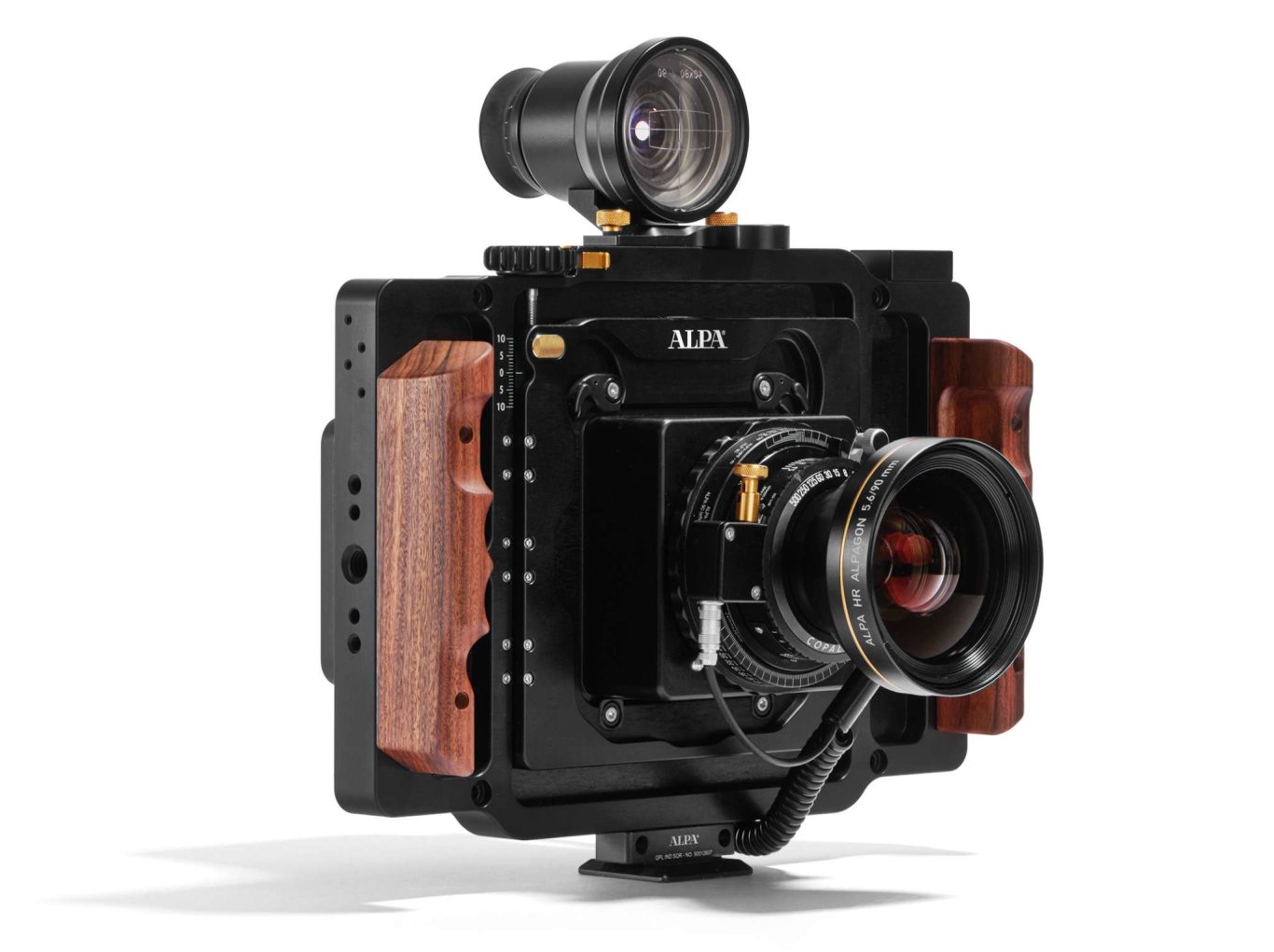
“An artistic work applied to objects for practical use, whether handicraft or works produced on an industrial scale,” according to Applied Art. The Hennessy Paradis bottle and ALPA cameras are examples of applied art taken from Chinese jurisprudence analyzing the subject.
China is obligated to protect such works as a signatory to the Berne Convention. The Copyright Law and its implementing regulations, on the other hand, are quiet on the subject of applied art. For works of great art, some courts have chosen to rely on the Copyright Law’s protections (Article 3(4)). However, a court declared a few years ago that works of applied art were eligible to copyright protection without relying on provisions pertaining to fine art.
Courts around China will continue to delineate the contours of which works are entitled to protection
In the Tang Yun Cloakroom Furniture case, copyright protection was sought for a wardrobe “with an overall design of wood color lines, metal parts, Chinese-style symmetrical arrangements, and combined Chinese and Western elements.”
Counsel for the party claiming infringement successfully argued that, “as long as they meet the requirements of originality, reproducibility and a certain level of an artistic or aesthetic value, works of applied art (such as furniture) should be entitled to copyright protection under a different category from works of fine art.” The SPC noted that, “in the case where the practicality and artistry of a work of art cannot be separated, it cannot be a work of art protected by copyright law.”
It goes without saying that judging whether pragmatism and artistry can or cannot be separated is a difficult task. Despite the top court’s high-level declaration on applied art copyright, courts across China will continue to define the contours of which works are protected. With this in mind, firms should avoid putting too much emphasis in their marketing strategies on the originality of their product designs, no matter how beautiful they are.
***Other Articles***
– You could see How To Register Trademark in China here.
– You could visit here to see Procedure of Trademark in China.
– You could visit here to check Required documents of filing trademark in China.
Contact AAA IPRIGHT: Email: [email protected]
Or sending your inquiry by filling the form: