Netflix’s journey to becoming the king of streaming
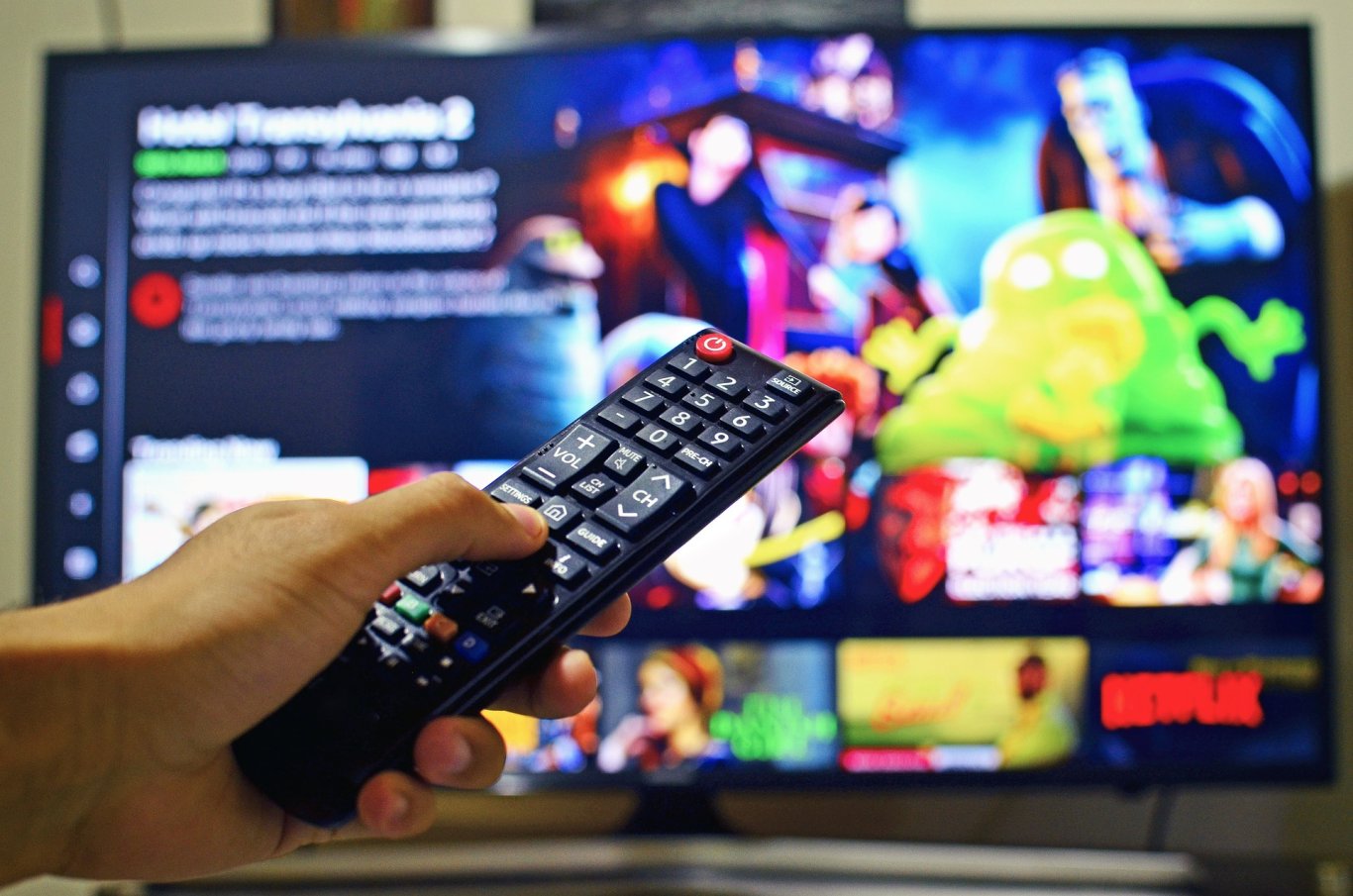
Netflix is still recognized as the king of streaming up until this day, providing all kinds of movies to users around the world. Although in recent times, Netflix has slightly gone downhill in the movie world, but in general, this platform as of the end of 2022 still maintains its No. 1 position, surpassing Disney, Warner Media, NBC Universal, etc. So, how did Netflix become the king of world cinema with connections to more than 221 million subscribers in more than 190 countries, holding 10% of global Internet traffic?
Record rental era
In 1997, Netflix was founded, and headquartered in Los Gatos, California. In the first decade since its inception, Netflix’s operating model was quite simple. Essentially, Netflix is a start-up that rents out DVDs and Blu-ray discs.
Users will send their requests to Netflix’s service pages about the movie they want to watch. Then, Netflix will deliver that movie disc to the user via the mailbox (the old mailbox is located in front of each house in the United States). Users receive, watch, and then return the disc to Netflix via mailbox, carefully packaged. The delivery staff will go to collect those discs, and check the status of the discs to see if there is any damage during use.
Netflix and Blockbuster were the two most prominent video rental companies at that time, which are also sworn rivals of each other. However, until now, no one has heard of the Blockbuster company anymore. This company has faded with the flow of time, dissolved in 2010 and the last store closed in 2014.
Netflix also sold DVDs, but mainly, DVD rental was the main highlight of Netflix at that time. As understandable as in the present, few families buy a sparkling wedding dress for their wedding day. They only rent a dress because they only get married once in their life. Movies work similarly, a person only wants to see a movie once or a few times, but rarely plans to buy a movie to watch it repeatedly over the years, especially if the disc is considered expensive to their price range.
Realizing this mentality and selling discs will not be profitable, at one point, Netflix decided to completely stop the service of selling tapes and only focus on renting tapes. Video rentals have also improved over time, culminating in a service that allows customers to keep their tapes forever. When they want to watch another movie, they simply exchange the movie they already own with the new movie.
Broadcast era, TV streaming
In 1999, two years after the company was founded, the company’s CEO at the time realized that physical DVDs and Blu-ray discs would not be the future of movies, and even though within almost a decade after that, Netflix developed a powerful video rental service, in the company’s core direction, however, Netflix never put too much faith and orientation in this form.
By 2007, Netflix had launched a form of online broadcasting via the Internet. The form of streaming is the form that is popular until now, i.e. 15 years after it was born.
Users just need to sit at their computer, open Netflix’s website, pay to become a monthly, or yearly user, and watch every movie on Netflix without needing cumbersome procedures like requesting, receiving DVDs, and playing it on some outdated players.
According to Reuters, up to 40 million USD was invested by Netflix in databases during that time to build a huge archive of information.
Acquiring broadcasting and movie rights from all major producers
As the world’s first major online movie streaming platform, Netflix was quick to take advantage of the market’s loophole by the film producers at the time which is to misjudge the value of its movies and the amount of profit it could earn.
Basically, Netflix contacts every movie production company they find and offers that they buy the rights to stream the movie on Netflix from those producers, paying them millions of dollars depending on the deal.
By now, it is certain that these producers will regret it partly because they so easily agreed to sell the rights to broadcast the film at a ‘cheap’ price.
However, if viewed from a fair perspective, no one, including Netflix, will think that this form is 100% certain of success. It was a gamble for Netflix and at the time a great bargain for the producers. Because at that time, they still only made a profit through selling or renting DVDs – a form of capital that is gradually outdated, with low income.
That said, they can complain now, but without Netflix’s movie revolution, who’s to say they could have made those few million dollars without Netflix’s help?
At its peak, in August 2010, Netflix landed a five-year deal worth nearly $1 billion to stream movies from Paramount, Lionsgate, and Metro-Goldwyn-Mayer. The deal increases Netflix’s annual spending fees by about $200 million a year.
In 2010, Netflix bought back the copyright of Breaking Bad, produced by Sony Pictures Television. This movie is one of Netflix’s most successful hit movies. This is also the film that made the concept of ‘binge-watching’ widely known around the world.
‘Binge-watching’ can be understood as ‘watching a series’ of a movie from the beginning until the end of the season, even all seasons of that movie. Because Netflix understands the audience’s eagerness and does not want them to wait for a week for an episode like other TV sites, all Netflix episodes in a series are shown at the same time.
For example, the first season of the hit Netflix series Witcher was shown on December 20, 2019, with a total of 8 episodes. Users can completely watch all of those 8 episodes in one night, completed by the morning of the 21st instead of having to wait for another 8 weeks, i.e. 2 more months like other TV sites, such as the recent House of the Dragons on HBO.
Netflix continued to expand its movie empire by signing contracts and broadcasting agreements with major film producers of the time, achieving its dream of becoming the first movie platform in the world with a massive ‘library’ of movies.
In September 2012, Epix signed a 5-year streaming deal with Netflix. For the first two years of this deal, the first catalog and reverse catalog content from Epix were exclusive to Netflix. Epix movies will be allowed to appear on Netflix 90 days after they premiere on Epix. The deal includes films from Paramount, Metro-Goldwyn-Mayer, and Lionsgate.
View
Since 2012, Netflix has made a new breakthrough in its business model with “Netflix Originals” – Netflix exclusive series or movies. These movies will have a crimson “N” next to their poster. Lilyhammer is the first Netflix exclusive, officially transforming the platform from a movie channel into a movie producer – like the major producers Netflix has acquired in previous years.
Netflix Originals have left many impressive marks in the film industry such as House of Cards (2013) – the first successful Netflix exclusive, The Crown (2016), The Witcher (2019), Bridgeton (2020), Squid Game (2021), Arcane (2021),…
Not long after the first exclusive movie was released, the giant Netflix set a goal of balancing a 50-50 ratio between exclusive movies and licensed movies.
This goal has been achieved by 2022, but it is an indisputable fact that currently, Netflix is gradually going downhill, with the loss of 200 thousand subscribers in the first quarter of 2022 and 970 thousand subscribers in the second quarter. In the third quarter of 2022, on October 18th, Netflix released its report, stating that there have been 2.4 million subscribers gain in the third quarter, 1.4 million subscribers more compared to Netflix’s own projected subscribers gain beforehand.
Although the number in the latest quarter is impressive, is it just a final reflection of Netflix’s downward trend?
If not compared with pirated movies which are obviously forbidden, Netflix is still the world’s largest movie library, as Netflix’s wish since its inception. In the US, intellectual property laws and sanctions for infringement of copyright and related rights are strictly enforced.
Accordingly, companies like Netflix can safely grow without having to worry about a large number of their customers being pulled over by pirated movie platforms. Therefore, if other startup producers and movie platforms want to be successful in the film industry learning from Netflix’s success, they must first have stronger sanctions against the pirated film industry, starting with penalizing the pirated web and its subwebs as quickly as possible to avoid the situation that even though the main website is deleted, the sub-webs can still operate serially shortly after.
However, the takedown still needs oversight from multiple agencies and organizations to avoid the abuse of the takedown methods, affecting the rights of honest producers and channels as one simple takedown can leave massive consequences financially and more importantly, on the reputation of the websites and companies.
AAA IPRIGHT – Global IP – Global Trademark Registration
Contact AAA IPRIGHT: Email: [email protected]
Or sending your inquiry by filling the form: