Social Media and Trademarks
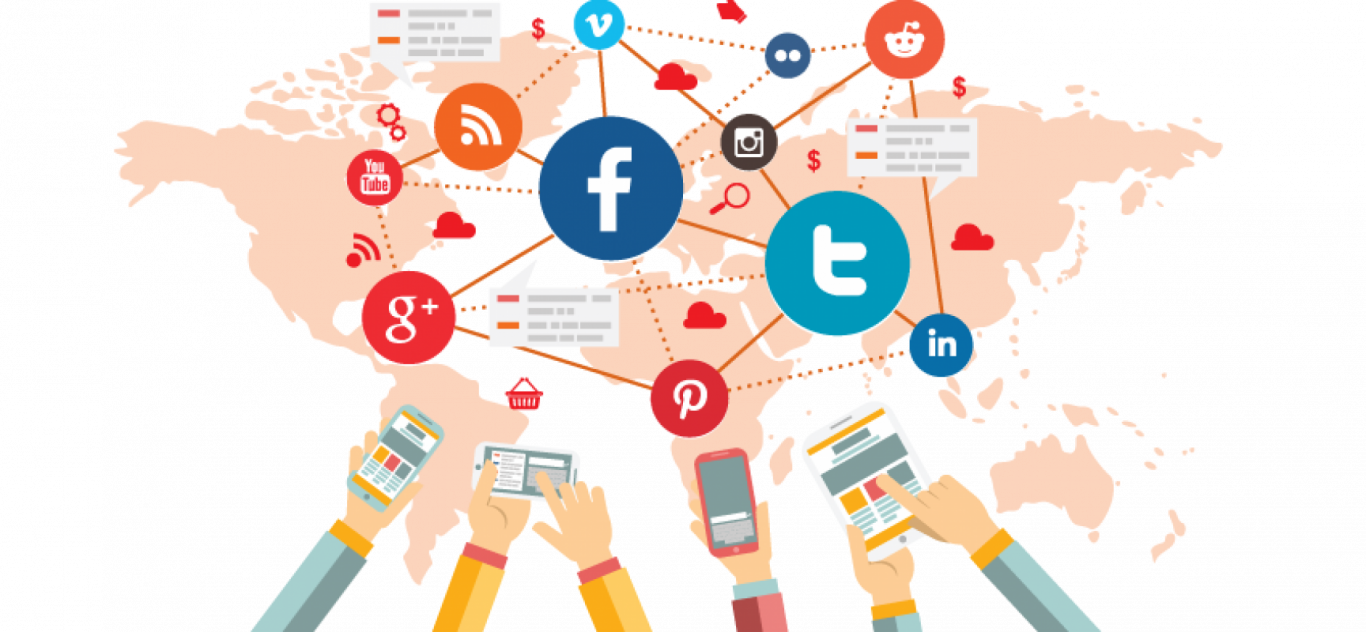
Social media has become an incredibly significant instrument for connecting with one another privately and for promoting one’s company’s ideas in the commercial world.
On a laptop, tablet, or smartphone, the visibility of products or services is just a few clicks away, yet social media platforms provide difficulty for the protection and enforcement of intellectual property rights, particularly trademark law.
Social media activity not only gives information on a product or service designated by a trademark, but it also contributes to a person’s or company’s overall image and reputation.
Social Media Marketing Techniques
The big picture trends suggest that social media strategy has shifted.
Brand protection isn’t done in an isolation. It’s not only about keeping your brand protected. It is a diverse set of responsibilities that addresses challenges such as:
- Getting the jump on competitors and fraudsters with multiple domain names, to protect and promote your brand
- Protecting your brand assets- logo, brand, tagline, content, employees
- Finding your voice, telling your story, and protecting your authenticity, your character, your reputation
- Turning negative sentiment into positive and measuring engagement
- Measuring your share of voice and being the loudest in your industry
Establishing Brand Names on Social Media Platforms
In order to protect trademarks against unlawful usage in a business setting, enforcement is critical.
You must trademark your brand, goods, logo, and slogan to ensure that they are unique to you.
A corporation should consider proactively obtaining the corporate name as well as brand names on the key social media platforms where its products and/or services will be advertised to avoid a rival from securing confusingly identical social media accounts as trademarked names.
Legal disputes between trademark holders, social media providers, and internet users have been a hot subject in recent years, owing to the widespread unlawful use of companies and their reputation on social media.
A variety of examples are reviewed, including the case-by-case scalability of litigation and whether provisions for internet service providers should be substituted for strict responsibility.
The internet industry has undergone a big surge in the last few years of the epidemic, so it’s critical to monitor and keep on top of advancements.
It is critical to examine how customers’ social media activity is evolving and to keep an eye on the larger picture of long-term social media trends.
Understanding global trends is critical for positioning the company in the best light to satisfy client expectations.
Some aspects must be examined by trademark owners in order to comprehend the psychology underlying social media, such as:
- How much time is spent on social media in specific markets?
- Knowledge about the impact of short lifespan content
- Key reasons why people use different platforms
- Changes in the influencer and social commerce sphere
Aside from having access to a larger customer pool through social media, there are major advantages for a firm that actively protects its brand on social media through trademark registrations.
The firm will have the standing to assert its trademark rights; successfully registered marks are advantageous during M&A deals, and the corporation may license or assign the mark to earn additional money. Trademarks improve the value of a firm as a valuable asset; trademarks can be utilized as security interests in certain financial transactions.
Thus, before launching a brand on social media by investing time, effort, and resources in securing companies’ social media matters and domain names, it is recommended that companies conduct a thorough trademark search on the potential brand name, slogan, or hashtag to ensure that no other company is claiming exclusive rights in the desired mark.
There are no black and white solutions all of the time, and a well-thought-out action may necessitate the participation of professionals from other fields such as marketing, communications, public relations, and those working on the development of a product or service under a certain trademark.
Challenges in IP protection connected to brand protection in social media will continue as more social media networks develop and expand, and the number of websites offering products and services grows gradually.
The reputation and familiarity of trademarks by customers can be used to gauge their performance. Social media platforms play an important role in the development of these features.
When a firm takes the necessary efforts to aggressively defend and monitor its brand on social media, the benefits of registering trademarks can reduce risk.