Patenting Embryonic Stem Cell Related Inventions in India
Stem cells are cells that have the ability to differentiate or develop into a variety of different cell types. This distinguishes them from other living organisms in that they can deduce many secrets about living organisms, diseases, and mortality, and may even be able to treat them.
Somatic Stem Cells (SSCs), also known as adult stem cells, and Embryonic Stem Cells (ESCs) are the two main types of stem cells (ESCs). SSCs are undifferentiated cells that can be found all over our bodies. They regenerate or repair damaged tissues by replacing dying cells. SSCs are multipotent, meaning they have the ability to differentiate into specialized cells of a specific lineage. Hematopoietic stem cells, for example, can differentiate into different types of blood cells. Embryonic stem cells (ESCs) are derived from embryos. 3-5 days after fertilization, they are usually separated from the embryo. Pluripotent stem cells (ESCs) can differentiate into a variety of cell types.
Other types or sources of stem cells exist as well. Stem cells can be extracted from the umbilical cord, or artificially activated unfertilized eggs to behave like embryos (parthenogenesis), for example.
In India, stem cell research is governed by the 2017 government-issued Guidelines for Stem Cell Research and Therapy (Guidelines). Establishing new human ESC lines from spare embryos with prior approval from the Institutional Committee for Stem Cell Research and Institutional Ethics Committee, as well as other conditions in the Guidelines, are permissible areas of research. In India, only hematopoietic stem cell transplantation is currently approved.
Patenting stem cell based inventions in India
Due to exclusions under Section 3(c) (discovery of any living thing or non-living substances occurring in nature) and Section 3(j) of the Patents Act, 1970 (the Act), stem cells are not patentable in India (plants and animals in whole or any part thereof other than micro-organisms).
Stem cell based therapies are also not patentable in India, under Section 3(i), which excludes processes for the medical or related treatment of human beings or animals.
Some stem cell inventions, such as novel and inventive synergistic compositions and methods for preparing, processing, obtaining, and differentiating stem cells, may be patentable if they do not fall under Section 3 of the Patent Act (b). This provision excludes from patentability inventions whose use or commercial exploitation could be detrimental to the health of living organisms or the environment. Article 27(2) of the Agreement on Trade-Related Aspects of Intellectual Property is the source of Section 3(b) (TRIPS). TRIPS adds a caveat that such exclusion from patentability cannot be based solely on the fact that the invention’s commercialization is prohibited by law.
In stem cell-based inventions, the source of stem cells is of primary importance. Because ESCs are obtained through the destruction of embryos, moral and ethical issues arise. When commercial exploitation is thrown into the mix, the issues become even more complicated. The Indian Patent Office (IPO) has had a number of run-ins with stem cell-based invention patent applications. Applicants’ ability to show that their applications do not fall within the various restrictions set forth in Section 3 of the Act has determined how they fared during prosecution.
When Indian patent application (IPA) 1492/DELNP/2007 was challenged under Section 3(b), the Applicant claimed that the stem cells were taken from the umbilical cord, which is normally discarded after birth and was taken with the mother’s consent. The cord collection was also discussed in the specification, and the application was approved.
The original claim in IPA 4551/CHENP/2008 was for a method for selecting cardiomyocytes from a cell mixture containing cardiomyocytes and non-cardiomyocytes derived from embryonic stem cells or cells with similar characteristics. A disclaimer was added to the claim that no cells derived from human embryonic stem cells were involved to overcome the Section 3(b) objection. The claims of IPA 6526/CHENP/2008 have a similar disclaimer. In both of these cases, the specifications stated that the disclosed inventions could be used with stem cells obtained without destroying human embryos.
The IPO wanted to know more about IPA 3649/DELNP/2008, a patent that claimed an in vitro method for producing pluripotent human stem cells that involved parthenogenetically activating an unfertilized human egg. The applicant argued that a parthenote was not the same as an embryo because it could not develop into a viable fetus, and the application was granted. In this case, the European Court of Justice (CJEU) relied on its decision in C364/13 on parthenotes, which held that in order to be classified as a ‘human embryo,’ a non-fertilized human ovum must have the inherent capacity to develop into a human being. Unfertilized human ova whose division and further development are stimulated by parthenogenesis are not considered “human embryos,” according to the CJEU, as long as they are not capable of developing into a human being and have not been genetically manipulated to do so.
3853/KOLNP/2008, which claimed compositions containing human ESCs, methods for expanding human ESCs, and methods for preparing a ready-to-use preparation of human ESCs, had a different fate in store. Section 3(b) was not attracted, according to the applicant, because the invention provided safe and effective human ESC compositions. The applicant also claimed that the invention could be carried out without the use of human embryos, and that the stem cells could be obtained from a cell line repository or parthenotes. The Controller, on the other hand, cited parts of the specification that suggested the use of ESCs derived from the destruction of human embryos (in this case, the examples in the specification worked against the applicant). The Controller also stated that the established or commercially available cell lines used were also inevitably derived from the destruction of human embryos, and the application was ultimately denied.
Applying for stem cell based inventions in India
Stem cells and stem cell-based therapies are not patentable, according to the law. Prosecution and practice indicate that inventions involving the use of human ESCs obtained through the destruction of human embryos are not patentable in India. It makes no difference what time of day such destruction occurs. As a result, claims based on established cell lines derived from human embryos are likely to be rejected.
If a patent application is filed for a human ESC-related invention, the patent specification should include at least some embodiments or examples demonstrating that the invention could be used without destroying human embryos at the time the application was filed. This could be demonstrated with documented scientific results and an affidavit. If necessary, amend claims to include a disclaimer that human ESCs derived from human embryos were not used. The IPO may also insist on the deletion of paragraphs from the specification relating to human ESCs obtained by destroying human embryos.
Patents are crucial to embryonic stem cell research
Bruestle talked to Deutsche Welle about the necessity of patents in advancing medical research. Oliver Bruestle said that: “We need patents to make use of academic developments. Usually universities or other academic institutions only go so far. They develop certain procedures which can be useful for biomedicine, but then it really takes companies and an industrial complex to move these developments into application.”
Universities don’t have the resources to develop cell therapies, pharmaceuticals, or vaccines, for example. It isn’t their job, and they lack the necessary experience. They require industrial partners, but these partners require patents. They want to ensure that if they invest money in a certain development, they will be able to use it exclusively for a period of time and be protected from their competitors.
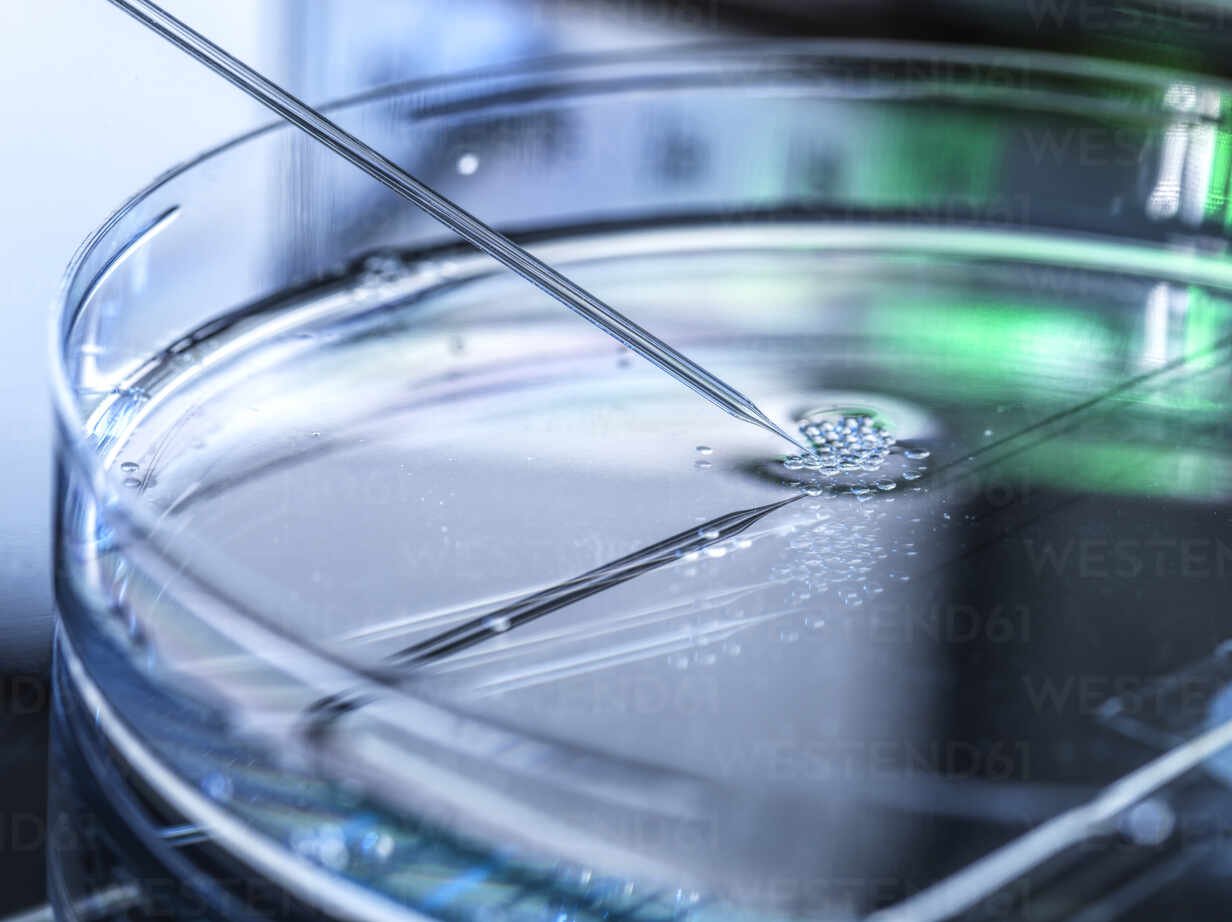
Stem cell research has enormous biomedical potential, owing to the ability to artificially generate virtually every type of body cell and tissue in a cell culture lab. This is especially true for organs that have lost their ability to regenerate. This is true for the nervous system, the heart, and insulin-producing cells alike. For these tissues, embryonic stem cell lines, which are the patent’s and procedure’s entry point, provide an endless supply of cells. In a cell culture dish, we can use these cells to generate an infinite number of insulin-producing cells, heart cells, and brain cells.
This field needs a very clear and tight regulation. Bruestle, who is one of Germany’s leading stem cell researchers, claimed that: “We certainly have such a situation in Germany. We have one of the toughest embryo protection acts in the world, which essentially prohibits any procedure which is not to the benefit of the embryo. That’s the reason why in Germany we cannot derive embryonic stem cells from fertilized oocytes, which can be done in many other countries.”
***Other Articles***
– You could see Procedure of Trademark in India here.
– You could visit here to see Required documents of filing trademark in India.
Contact AAA IPRIGHT: Email: [email protected]
Or sending your inquiry by filling the form: